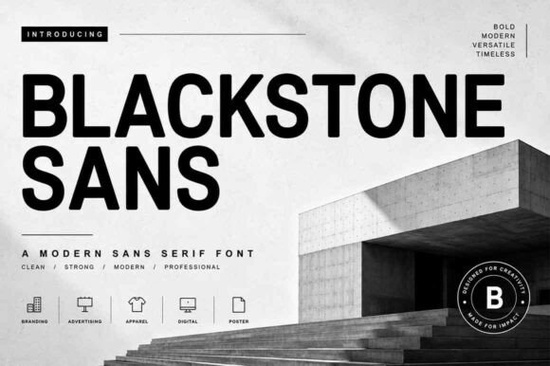
If you're looking for a clean, modern sans serif font that works well across branding, packaging, and digital layouts especially when space is tight or impact matters Blackstone Sans Font is worth your attention. It’s not overly decorative or trendy; instead, it delivers quiet confidence through balanced letterforms, consistent stroke weight, and thoughtful spacing. Designers and small business owners often choose it when they need something professional but not stiff think logo lockups, apparel tags, product labels, or social media banners where clarity and legibility come first.
When does Blackstone Sans work best?
This font shines in situations where you need to communicate strength and simplicity at a glance. Its condensed structure means it fits more text in less horizontal space ideal for narrow labels, Instagram story text overlays, or T-shirt chest prints. Because it’s designed with readability in mind even at smaller sizes it holds up well on both screen and print. You’ll find it especially useful for:
- Logo design (particularly for tech startups, fitness brands, or minimalist fashion lines)
- Packaging labels where clean typography supports product credibility
- Digital ads and email headers that need to grab attention without visual noise
- Print-on-demand projects like mugs, tote bags, and posters where bold, no-fuss type reads clearly from a distance
How does it compare to other popular sans serifs?
Unlike some ultra-thin or geometric fonts that can feel cold or hard to read in body copy, Blackstone Sans keeps warmth through subtle curve modulation and open counters. It’s bolder than Lavender Magic Font, which leans more playful and rounded great for lifestyle brands but less suited to corporate use. Compared to Vantura Font, Blackstone Sans feels more grounded and less stylized, making it easier to pair with serif or script companions. If you’ve used Kitaro Font for handwritten charm or Studdy Planner Font for friendly educational materials, Blackstone Sans offers a complementary contrast: structured, neutral, and confident.
What file formats and features does it include?
You’ll get OTF, TTF, and WOFF files so it works in desktop apps like Adobe Illustrator or Canva, plus web projects if you’re building a shop or portfolio site. The family includes regular, bold, and italic weights, giving you enough flexibility for hierarchy without needing extra fonts. There are no alternate glyphs or stylistic sets, which keeps things simple no learning curve, no over-engineering. That makes it a solid pick if you value reliability over novelty.
Who’s using Blackstone Sans right now?
We’ve seen small businesses use it for café menu boards and local event posters, crafters apply it to handmade soap labels and greeting cards, and POD sellers build entire product lines around its clean aesthetic especially in niches like wellness, architecture, or modern home goods. One customer told us they switched from a free Google Font to Blackstone Sans because their Etsy product thumbnails looked sharper and more cohesive. Another used it across business cards, website headers, and Instagram highlights and noticed customers commenting on how “polished” the brand felt.
Is it beginner-friendly?
Yes. If you’re new to typography, this font doesn’t require fine-tuning or pairing expertise. It stands well on its own, and because it’s not overly narrow or tall, it avoids common pitfalls like cramped spacing or uneven line heights. Just avoid setting it too small in all-caps for long paragraphs it’s optimized for headlines and short statements, not dense body text.
For designers who already lean into sans serifs, consider how Mondy Font brings gentle personality to editorial layouts, while Blackstone Sans serves as the steady foundation underneath. They’re not competitors they’re teammates.
Before downloading: Check your license. Creative Fabrica’s standard license covers personal and commercial use including selling physical products and digital templates but excludes resale of the font files themselves or embedding in SaaS platforms. Always review the terms if you’re planning large-scale distribution or client work.
Quick checklist before you use it:
- ✅ Test it at actual size on screen and printed before finalizing layouts
- ✅ Pair it with one serif or one script font only (avoid stacking multiple sans serifs)
- ✅ Use bold weight for headlines, regular for subheads, and reserve italic for emphasis not full paragraphs
- ✅ Avoid stretching or distorting the letters manually let the built-in weights do the work
- ✅ If using on fabric or textured surfaces, increase stroke weight slightly in vector editing to prevent thin lines from fading during print
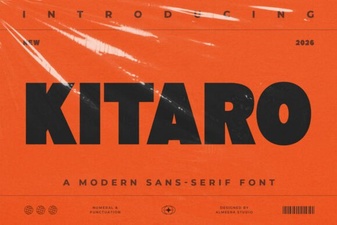 Kitaro Font: Creative Design & Typography Ideas
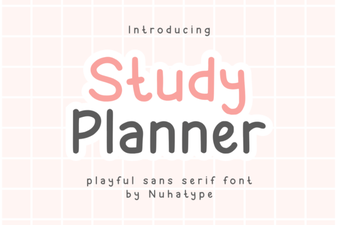 Studdy Planner Font: Creative Study Design Tool
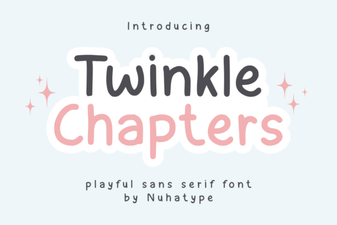 Twinkle Chapter Font: Creative Design Ideas
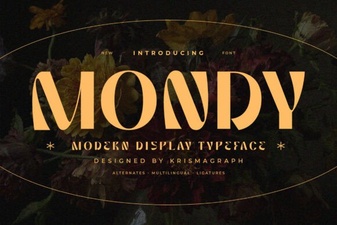 Mondy Font: Elegant & Versatile Design for Creative Projects
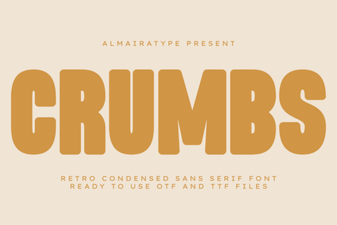 Crumbs Font: Playful & Versatile Design Tool
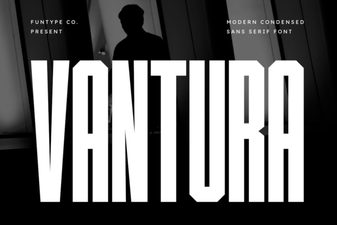 Vantura Font: Creative Design & Versatile Typography