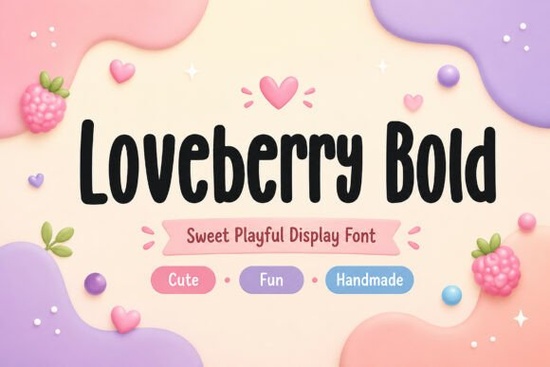
If you're looking for a display font that feels like a warm hug friendly, handmade, and full of quiet charm Loveberry Bold Font is worth your attention. It’s not overly technical or rigid; instead, it’s designed to feel approachable and joyful, with chunky strokes, soft curves, and subtle irregularities that suggest real hand-drawn craft. That makes it especially useful for projects where personality matters more than precision: think birthday invites for toddlers, cheerful nursery wall art, playful stickers for small-batch makers, or packaging for organic baby products.
When does Loveberry Bold work best?
This font shines in contexts where warmth and approachability are part of the message not just decoration. Its rounded edges and generous weight help it stay legible even at smaller sizes on social posts or product labels, while its organic texture keeps it from feeling sterile or generic. It’s not meant for body text or long paragraphs, but rather for short, high-impact phrases: “Happy Birthday!”, “Made with Love”, “Tiny Hands, Big Dreams”. You’ll often see it used alongside simple illustrations, watercolor backgrounds, or soft pastel palettes.
Because it’s built for expression not efficiency it pairs well with clean sans-serifs (like Montserrat or Poppins) for contrast, or with other hand-drawn display fonts when layering visual interest. For example, if you’re designing a set of printable party kits, you might use Loveberry Bold for headings and Remington Weather for subheadings to add gentle contrast without clashing.
Who uses it and why?
Small business owners creating custom baby onesies or wooden toys often choose Loveberry Bold because it reads as sincere and caring not corporate. Print-on-demand sellers find it effective for Etsy listings where first impressions matter: a bold, friendly font helps thumbnails stand out in crowded feeds. Crafters making digital scrapbook kits or SVG bundles appreciate how easily it layers over textured paper scans or fabric patterns.
Designers working on children’s book covers or early-learning flashcards also lean into its softness it doesn’t overwhelm young eyes, and its slight unevenness mirrors the way kids draw letters themselves. That authenticity resonates with parents and educators who value gentle, non-digital aesthetics.
What about pairing it with other fonts?
Loveberry Bold works best when balanced not buried under too many competing styles. A good rule of thumb: one playful display font, one neutral supporting font, and maybe one handwritten accent (used sparingly). For instance:
- Headline: Loveberry Bold
- Subhead or body: A light, airy sans-serif like Lato or Nunito
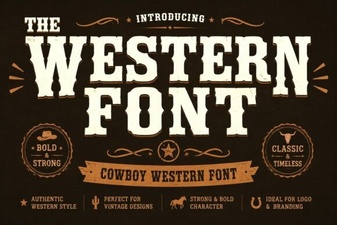
- Accent phrase or signature: Something like The Western (for a rustic twist) or Summer Komika (for extra whimsy)
You don’t need to overthink combinations. If something feels cohesive on screen and readable in print it’s probably working. Try testing your layout in grayscale first: if the hierarchy still holds without color, the type choices are likely solid.
How does it compare to similar display fonts?
Compared to bolder, sharper options like Quirknest, Loveberry Bold leans softer and more nurturing. It’s less “cartoonish” and more “handmade notebook” ideal when you want energy without edge. Unlike some trendy brush fonts that rely heavily on swashes or alternates, Loveberry Bold keeps things simple: one weight, no stylistic sets, and clear character shapes. That makes it easier to use consistently across multiple platforms (Canva, Cricut Design Space, Adobe apps) without unexpected rendering issues.
It’s also optimized for common file formats (.OTF, .TTF, and web-ready WOFF), so whether you’re prepping files for a local printer or uploading to Redbubble, you won’t hit compatibility surprises.
If you'd like to see how it looks in real design contexts, you can explore samples directly on Creative Fabrica just search for Loveberry Bold Font. There, you’ll find user-uploaded mockups showing it on mugs, tote bags, and greeting cards helpful for visualizing scale and spacing before committing.
A quick checklist before you download
- ✅ You’re using it for short, expressive text not long paragraphs
- ✅ Your project benefits from warmth, playfulness, or handmade appeal
- ✅ You’ve tested readability at your intended size (especially for print or embroidery)
- ✅ You’ve paired it with at least one simpler, more neutral font for balance
- ✅ You’ve checked licensing Loveberry Bold includes both personal and commercial use, but always confirm permissions for your specific use case (e.g., selling physical goods vs. SaaS templates)
Start simple: open your design tool, type “Hello!” in Loveberry Bold, adjust tracking slightly if needed, and try it over a soft background. If it makes you smile even a little you’re probably on the right track.
Get Started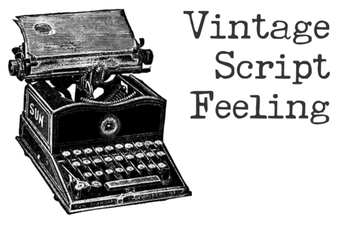 Remington Weather Font: Bold & Readable Design
 The Western Font: Bold Design & Creative Uses
 Helpful Action Font: Design with Purpose
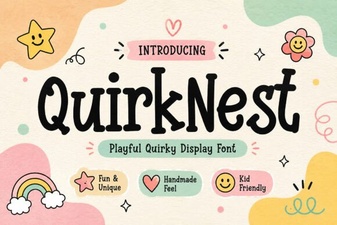 Quirknest Font: Playful & Versatile Design Tool
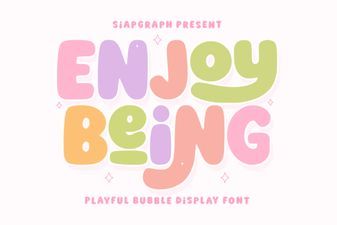 Enjoy Being Font: Creative Design Inspiration
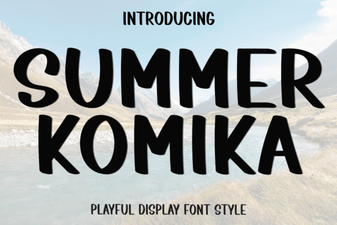 Summer Komika Font: Playful Design Ideas