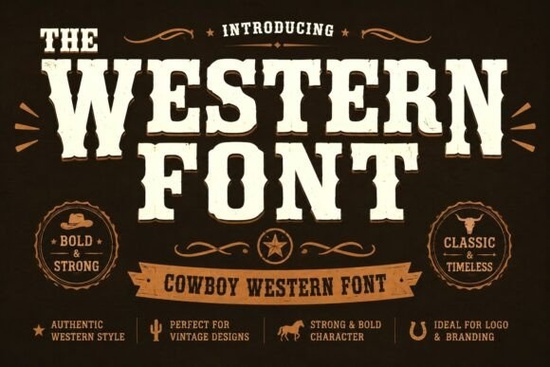
If you're looking for a bold, authentic typeface that brings the spirit of the American frontier to your designs, The Western Font is a solid choice. It’s not just another “cowboy-style” font with exaggerated serifs and forced distressing it’s carefully crafted with strong slab letterforms, subtle rugged texture, and balanced proportions that hold up well at any size. Whether you’re designing a logo for a small ranch supply shop or printing t-shirts for a local rodeo, this display font delivers clarity and character without sacrificing readability.
What makes The Western Font different from other western fonts?
Many western-themed fonts lean too heavily on gimmicks excessive grunge, inconsistent stroke weights, or overly narrow letter spacing that breaks down in real-world use. The Western Font avoids those pitfalls. Its sturdy construction means it works just as well on a vinyl storefront sign as it does on a product label or social media graphic. You’ll notice thoughtful details: slightly flared terminals, confident contrast between thick and thin strokes, and open counters that keep letters legible even at smaller sizes (like on jar labels or embroidered patches).
It’s also designed with practicality in mind. Unlike some vintage-inspired fonts that require manual kerning or alternate glyphs to look right, The Western Font includes built-in OpenType features like standard ligatures and stylistic alternates helpful if you’re using it in Adobe Illustrator or Affinity Designer. No extra plugins or workarounds needed.
Where does it work best?
This font shines in contexts where personality and place matter. Think:
- Ranch or farm branding especially for hay, honey, or handmade leather goods
- BBQ restaurant menus, takeout bags, or sauce bottle labels
- Rodeo, county fair, or bluegrass festival posters and digital ads
- T-shirt designs for country music fans or western lifestyle brands
- Vintage-style packaging for small-batch coffee, whiskey, or artisanal jerky
It pairs naturally with simpler sans-serifs (like Bowlby One) for body text or captions a classic combination that keeps the focus on your message while letting the headline carry the theme. For contrast, try layering it over hand-drawn elements or textured backgrounds common in rustic design projects.
How do designers and small businesses actually use it?
We’ve seen crafters use The Western Font to brand custom leather keychains sold at local markets. Print-on-demand sellers apply it to vintage-style travel mugs and canvas totes targeting fans of western Americana. A food truck owner in Texas used it across their menu board, Instagram posts, and branded napkins all with consistent recognition. One small brewery even adapted it for their seasonal “Desert Sage IPA” label, pairing it with a simple cactus icon and earth-tone palette.
It’s also popular among hobbyists making DIY party supplies think birthday banners for a “Wild West” themed kids’ party or wedding invitations for couples who met at a line-dancing class. Because it’s clean enough to print crisply on home inkjet printers or Cricut machines, it fits seamlessly into both professional and personal workflows.
What else should you know before downloading?
The Western Font is a single-weight display typeface (no light or italic variants), so it’s best suited for headlines, logos, and short phrases not long paragraphs. If you need versatility across weights or styles, consider pairing it with complementary fonts like Enjoy Being for friendly subheadings or Helpful Action for clear call-to-action buttons.
For inspiration, check out real-world examples of western typography on The Western Font’s Creative Fabrica page including mockups showing how it looks on apparel, signage, and packaging. You’ll also find user-submitted projects using Summer Komika Font for playful contrast, or Bowlby One Font for clean supporting text.
Before finalizing your design, test how the font renders at actual print sizes especially if you’re using it for embroidery or foil stamping. Some uppercase letters (like “A”, “M”, and “W”) have wider footprints, so leave a little extra margin around them in tight layouts.
Quick checklist before you start:
- ✅ Use it for headlines, logos, and short phrases not body text
- ✅ Pair it with a neutral sans-serif for balance
- ✅ Test spacing and sizing at your intended output (print, web, or cut file)
- ✅ Check licensing it covers commercial use, including POD and small business branding
- ✅ Save a version with outlined text if sending files to a printer or vendor
 Remington Weather Font: Bold & Readable Design
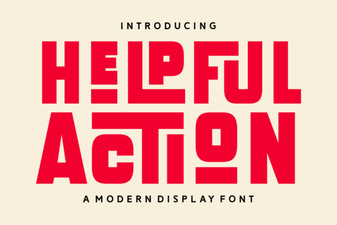 Helpful Action Font: Design with Purpose
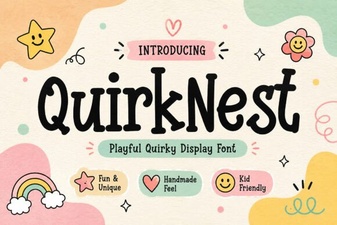 Quirknest Font: Playful & Versatile Design Tool
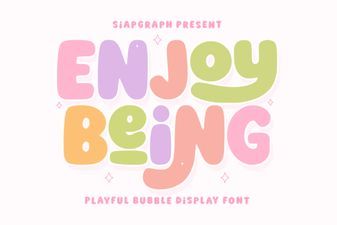 Enjoy Being Font: Creative Design Inspiration
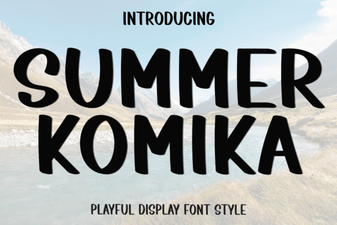 Summer Komika Font: Playful Design Ideas
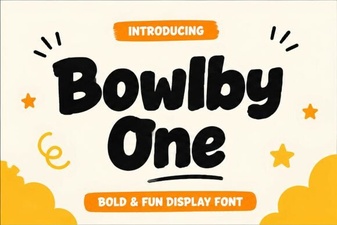 Bowlby One Font: Clean, Creative Typography for Modern Design