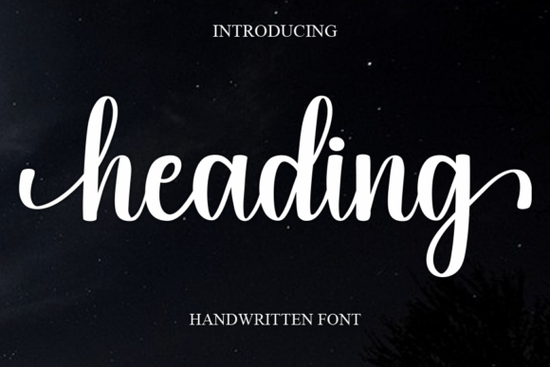
If you're looking for a handwritten font that feels warm, personal, and effortlessly elegant without being overly formal or fussy Heading Font is a thoughtful choice. It’s a cursive script with gentle curves and relaxed spacing, designed to look like something written by hand but refined enough for professional use. Whether you're designing wedding stationery, crafting greeting cards, building a small business brand, or creating print-on-demand apparel or home decor, this font adds quiet charm without shouting for attention.
When does Heading Font work best?
This isn’t a one-size-fits-all display font it shines in contexts where authenticity and softness matter. Think: a boutique skincare label, a handmade soap packaging tag, a minimalist wedding invitation suite, or even a cozy café menu. Because it’s light on contrast and avoids sharp angles or dramatic flourishes, it reads clearly at medium sizes (18–48 pt) and holds up well on textured paper or fabric prints. It’s especially useful if your project needs to feel inviting, not intimidating like a friendly note rather than a corporate announcement.
It pairs naturally with clean sans-serifs (like Montserrat or Inter) for body text, or with other low-contrast scripts for layered headings. Just avoid stacking it with busier, high-contrast fonts those tend to compete rather than complement.
How is it different from other script fonts?
Unlike bolder, more decorative scripts say, Summer Cupcake Font or Big Daddy Font Heading Font leans into subtlety. It doesn’t rely on exaggerated swashes or tight letter connections, which makes it more legible in longer phrases and easier to adapt across formats (digital, print, embroidery, vinyl cut files). That also means it scales well: it looks just as natural on a tiny gift tag as it does across the top of a 12×12 scrapbook layout.
If you’ve tried Almonday Font and found its bounce a little too energetic for your current project, or if Staying Font felt too narrow or condensed for your layout, Heading Font offers a middle ground friendly, unhurried, and quietly confident.
What kinds of projects get stronger with this font?
- Wedding & event design: Save-the-dates, menus, place cards, and vow books especially when paired with muted tones or botanical illustrations.
- Greeting cards & stationery: Birthday, thank-you, or sympathy cards where warmth matters more than formality.
- Small business branding: Logos or wordmarks for bakeries, florists, yoga studios, or handmade goods shops places where customers value care and craft.
- Fashion & lifestyle content: Lookbook headers, Instagram story quotes, or seasonal campaign banners that aim for approachable elegance.
- Print-on-demand products: Tote bags, mugs, and wall art where readability and emotional tone both play a role in buyer appeal.
You’ll also find it works well alongside Hiragenda Font for contrast use Heading Font for the main headline and Hiragenda for a supporting subheading or caption. Their rhythms differ just enough to create visual hierarchy without clashing.
A few practical tips before you download
Like most script fonts, Heading Font benefits from some manual adjustments. Kerning (letter spacing) may need light tweaking in longer words especially around common pairings like “To”, “The”, or “Love”. Most design apps let you adjust this easily. Also, check how it renders at smaller sizes: while it’s legible down to ~14 pt in print, it’s safest to keep it above 16 pt for digital screens or embroidery previews.
And remember: fonts are tools, not magic. What makes Heading Font effective isn’t just its shape it’s how thoughtfully you match it to your message, audience, and medium. A joyful font won’t fix unclear copy; an elegant font won’t save poor layout choices. But when everything aligns? That’s when it feels like the right voice for your project.
Before using Heading Font in your next project, ask yourself:
- Does this font reflect the tone I want my audience to feel not just see?
- Will it stay readable at the size and format I’m using (e.g., printed on kraft paper, stitched onto linen)?
- Have I tested it alongside my body font or supporting typefaces not just side-by-side, but in a real layout?
- Is there room for slight manual spacing tweaks, or do I need something more plug-and-play?
- Have I checked licensing terms, especially if I’m using it commercially (e.g., on POD items or client work)?
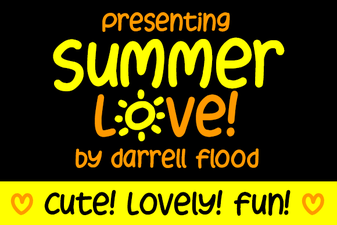 Summer Love Font: Creative Design Ideas
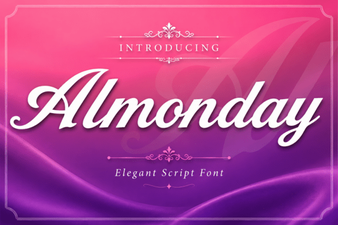 Almonday Font: Elegant & Versatile Design Tool
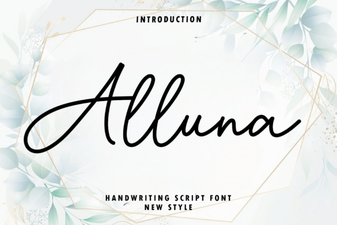 Alluna Font: Elegant Design for Creative Projects
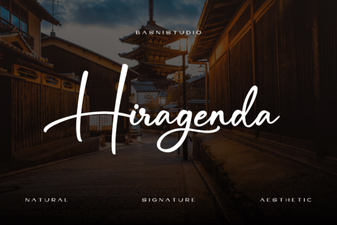 Hiragenda Font: Creative Design & Versatile Typography
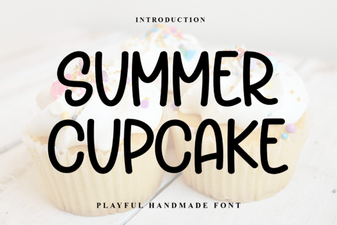 Summer Cupcake Font: Sweet Design Inspiration
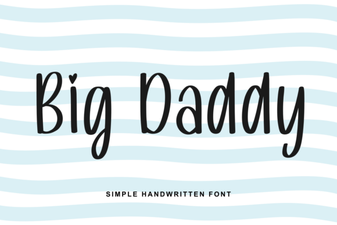 Big Daddy Font: Bold Design Ideas & Creative Uses